
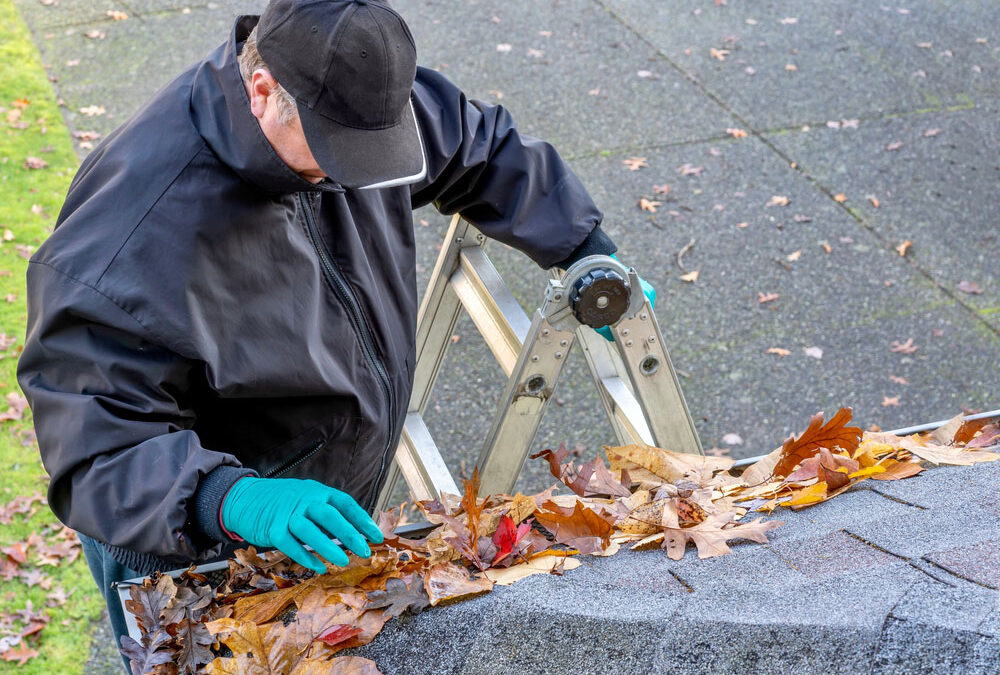
The arid environment of West Texas presents a unique set of challenges for maintaining a functional home drainage system. While residents may see less total rainfall than other regions, the intense wind and dust characteristic of the Permian Basin can compromise gutters faster than many realize.
Regular maintenance is the only way to ensure that when those sudden, heavy downpours do arrive, your home is prepared to handle the volume. Establishing a consistent cleaning schedule prevents the costly structural damage that occurs when water has nowhere to go but into your foundation.
Account for Seasonal Dust and Grit
In West Texas, wind is a constant factor that carries fine silt and sand directly into your roof’s drainage channels. Over several months, this grit accumulates into a heavy sludge that can weigh down your gutters and cause them to sag or pull away from the fascia.
- Inspect your troughs for “silt dams” that can block the flow of water even without leaves.
- Check the weight of your gutters, as wet sand is significantly heavier than organic debris.
- Ensure that downspouts are flushed to remove internal sediment that can act like a plug.
Staying ahead of the dust ensures that your system remains light and properly angled for maximum efficiency.
Prepare for Spring and Fall Storm Cycles
West Texas often experiences its most significant rainfall during the spring and fall months, frequently in the form of intense thunderstorms. Cleaning your gutters right before these seasons begin ensures that the system is completely clear to handle high-velocity runoff.
- Schedule a thorough clearing in late February to prepare for unpredictable spring squalls.
- Perform a follow-up inspection in early autumn to remove any debris baked on by the summer sun.
- Watch for shingle granules that may have washed down during heavy hail or wind events.
Proactive seasonal cleaning prevents the emergency of an overflowing gutter during the middle of a midnight storm.
Evaluate Nearby Tree Coverage
While the landscape is often wide open, many residential areas in cities like Odessa or Midland feature mesquite, oak, or pine trees that drop debris year-round. If your roofline is shaded by large branches, you will likely need to increase your cleaning frequency to prevent rapid blockages.
- Remove needles and small twigs that can easily bridge across downspout openings.
- Clear out pods and seeds that tend to drop in large quantities during the late spring.
- Trim back overhanging branches to reduce the amount of organic material landing on your shingles.
Monitoring the foliage around your specific property is the best way to customize your maintenance timeline.
Inspect After Significant Wind Events
The high-velocity winds of a West Texas “haboob” or dust storm can deposit a surprising amount of tumbleweeds and trash into your gutters in a single afternoon. A quick visual check after any major wind event can help you spot large obstructions before the next rain arrives.
- Look for plastic bags or paper debris that may have blown onto the roof and into the troughs.
- Remove tumbleweed fragments that can create a structural skeleton for mud to cling to.
- Verify that your downspout extensions haven’t been blown out of place by strong gusts.
A five-minute inspection following a storm can save you hours of difficult cleaning later in the year.
Look for Signs of Standing Water
Because the air is so dry, any water that remains in your gutters after a rain should evaporate quickly. If you notice dampness or standing water days after a storm, it is a clear sign that a blockage is preventing the system from draining completely.
- Use a mirror or a ladder to check for “pockets” of standing water in low spots.
- Identify areas where mosquitoes may be congregating, as they seek out trapped moisture.
- Address any “bird baths” in your gutters to prevent the metal from corroding or rusting.
Ensuring your system dries out fully is essential for preventing pest infestations and material degradation.
Protect Your Home with a Consistent Routine
Maintaining a clean gutter system in West Texas is about more than just managing rain; it is about protecting your home from the combined forces of wind and grit. By committing to at least two professional cleanings per year, you effectively shield your foundation and roof from avoidable decay.
The peace of mind that comes with a clear drainage system allows you to face the unpredictable Texas weather with confidence. Your home is a significant investment, and a simple maintenance routine is the most effective way to ensure its long-term stability.