
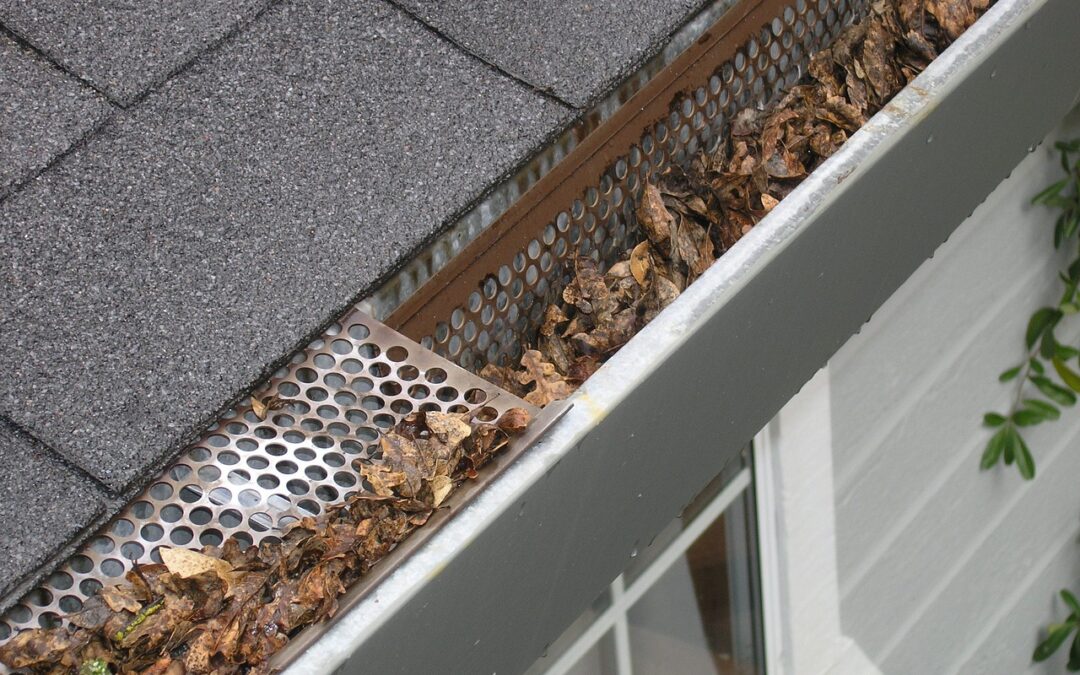
Your home’s gutter system is designed to act as a precision drainage network, moving thousands of gallons of water safely away from your structural foundation. However, when these channels become clogged with debris, they transform from a protective shield into a heavy liability that can cause extensive property damage.
Prioritizing routine maintenance is the most cost-effective strategy for any homeowner looking to avoid the high price tag of major mechanical repairs. By understanding the relationship between a clean system and long-term durability, you can protect your investment and ensure your home remains dry and stable through every season.
Prevent System Sagging and Hardware Failure
When gutters fill with wet leaves, pine needles, and wind-blown silt, the total weight can exceed several hundred pounds. This immense pressure puts an unnatural strain on the hangers and screws, eventually causing the troughs to pull away from the roofline or sag in the middle.
- Remove heavy organic “sludge” that acts like a sponge, holding onto water weight long after a storm passes.
- Inspect the spacing of your hangers to ensure they aren’t being bent or warped by debris-laden water.
- Check that the hardware remains tight against the rafter tails to prevent the system from crashing down.
Maintaining a light and clear system ensures that your hardware stays secure and the metal remains at its intended pitch for years.
Stop Wood Rot and Fascia Damage
Clogged gutters trap moisture against the wooden fascia boards, creating a damp environment where wood rot and mold thrive. Once the wood softens, it can no longer support the weight of the gutters, leading to a complete system failure and the need for expensive carpentry work.
- Look for soft or spongy wood behind the gutter line during your cleaning routine.
- Ensure the drip edge is properly positioned to prevent water from wicking behind the gutter trough.
- Clear the back edge of the gutter where wet leaves often sit and rot the wooden trim.
Addressing the debris before it saturates your home’s wooden skeleton prevents a minor cleaning task from turning into a major structural overhaul.
Protect Your Foundation and Siding
The primary goal of gutters is to prevent water from pooling at your foundation, but a clogged system allows water to cascade over the sides like a waterfall. This uncontrolled runoff can lead to foundation cracks, basement flooding, and unsightly staining on your siding.
- Flush out the downspouts to ensure water is being discharged several feet away from the concrete slab.
- Monitor the soil directly beneath the eaves for erosion or “potholes” that indicate overflow issues.
- Wipe down the exterior of the gutters to remove “tiger stripes” caused by dirty water spilling over the front.
Keeping the water inside the channels is the only way to safeguard the ground-level integrity of your entire property.
Eliminate Pest and Rodent Habitats
Standing water and decomposing leaves are the ideal breeding grounds for mosquitoes, termites, and various stinging insects. Furthermore, birds and rodents often see a clogged gutter as a safe place to nest, which can lead to further blockages and damage to your shingles.
- Clear out nests and organic matter that provide food and shelter for common household pests.
- Ensure the system dries out completely between rains to discourage mosquito larvae from developing.
- Check for “trails” or entry points where pests might be trying to move from the gutter into your attic.
A clean, dry gutter is an inhospitable environment for the creatures that can cause secondary damage to your home’s interior.
Extend the Lifespan of the Material
Whether your gutters are made of aluminum, copper, or steel, they are susceptible to corrosion and oxidation if they are constantly filled with wet debris. Regular cleaning removes the acidic organic matter that eats away at protective coatings, preventing rust and leaks from forming.
- Rinse the interior of the troughs with a garden hose to remove fine sediments that can scratch the finish.
- Identify small rust spots early so they can be treated before they turn into large holes.
- Pay special attention to the seams and end caps where standing water often causes the sealant to fail.
Diligent care prevents the metal from breaking down prematurely, allowing you to get the maximum life out of your drainage investment.
Invest in Long-Term Structural Stability
Committing to a regular cleaning schedule is the smartest way to minimize the total cost of homeownership over time. The small amount of effort required to keep your gutters clear pays massive dividends by neutralizing the threats of wood rot and foundation instability.
A well-maintained drainage system provides the peace of mind that your home is prepared for the most intense seasonal downpours. Your property deserves a proactive defense strategy that keeps water moving and your structural components safe and dry.